How to Spot Signs of Tree Stress Before It’s Too Late
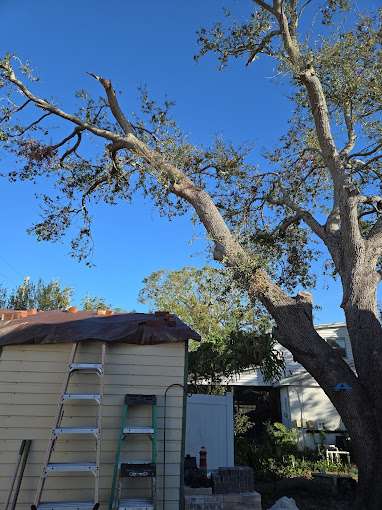
Trees in Spring Hill can face stress from weather changes, pests, or poor soil. Without noticing early signs, trees can weaken. This may lead to long-term damage or even tree loss, affecting your property and landscape.
To spot signs of tree stress early, watch for wilting leaves, browning, or dead branches. Check for cracks in the bark or unusual growth patterns. Discolored leaves or drooping branches often signal stress. You have to act quickly by trimming, watering, or calling a professional team for help.
Spotting signs early keeps your trees healthy and strong. It helps prevent bigger problems down the road. Healthy trees protect your home and increase your yard’s beauty. Don’t wait too long to take action.
Tips to Spot Tree Stress Signs Early
Stressed trees express various signs of illness. When you know these signs thoroughly, you can identify them early and take steps to prevent further damage.
Wilting or yellowing leaves
Look out for drooping or yellowing leaves when it’s not autumn. When you spot yellow leaves during the growing season, you’re seeing tree health warning signs. Healthy trees keep bright, firm leaves even through the hot months. After those afternoon thunderstorms, check your oak or cypress trees. Early yellowing often means they’re struggling with the sandy soil or drainage issues.
Cracked or damaged bark
Here in this particular area, you need to check trees after storms for splits or wounds in the bark. Visible cracks are early common signs of stress that Florida homeowners often miss. Well-nourished trees have smooth, intact bark that protects against subtropical pests and diseases. When bark shows damage, the tree loses its protective layer. Healthy bark supports lush foliage even through our intense summer heat.
Dead Or Broken Branches
Tree vitality shows in living branches from top to bottom. Dead limbs in Spring Hill trees often result from lightning strikes, wind damage, or oak wilt. Strong tree growth means few dead branches and consistent leafing throughout. Maintained trees shed minimal branches during normal weather. When you spot multiple dead branches, especially in this hurricane-prone area, call for inspection.
Uneven Or Stunted Growth
Is your tree not growing? Slow growth is a warning sign that shouldn’t be ignored. Noticeable differences between similar trees often indicate underground problems with the sandy soil.
Healthy trees gain several inches yearly, while stressed ones barely change. This stunted development shows potential nutrient deficiencies or root damage, especially common after construction work near established trees.
Discolored Or Falling Leaves
If your maple or oak shows unusual leaf spots in summer, your tree is stressed. Severe browning or yellowing outside fall means trouble in heat. Many homeowners miss these subtle environmental responses until too late. Check irrigation during dry spells—trees suffering water stress drop leaves prematurely. The humid climate of the area also encourages fungal growth that causes discoloration before leaf drop.
Excessive Sap Production
When you spot sticky drips on your car parked under trees, check for unusual sap flow. In Spring Hill’s climate, healthy trees produce minimal sap except during spring growth. Excessive oozing, especially from oak or pine trees, indicates internal problems. Detecting tree issues early saves mature trees from declining after storm damage or insect attacks.
Leaning Or Unstable Trunk
When a tree starts tilting after Florida storms, it signals serious root problems. Identifying tree stress means watching for gradual learning that worsens over time. Unstable trunks often develop after heavy rains saturate the ground. Tree damage symptoms include exposed roots, cracked soil around the base, and an increasing lean angle. Trees shouldn’t move in our regular afternoon breezes – if yours does, call an arborist immediately.
Barto Stumps and Tree Service: Get Professional Help from Qualified Arborists
After noticing one or multiple signs of stressed trees, you should call a team of professional arborists. Barto Stumps and Tree Service is a reliable name here in Spring Hill for tree health evaluation. Our licensed experts identify root issues, disease, and storm damage risks before they become dangerous. We have detailed knowledge of working in the local climate. It helps us provide practical solutions to save trees. Call us (727-615-2084) for professional inspection and treatment for tree stresses.
Final Words
Trees show stress long before they fail. Watch for these warning signs in your yard. Early treatment saves mature trees and prevents property damage. Regular checks help spot problems quickly. Spring Hill’s climate creates unique challenges for tree health. Address issues promptly for safety and beauty.
Learn more: How to Identify and Treat Common Tree Diseases in Spring Hill, FL
FAQs
Stressed trees often exhibit symptoms like wilting or discolored leaves, premature leaf drop, dead branches, excessive sap leakage, and cracks in the trunk. If you notice these signs, it may indicate disease, pest infestations, or environmental stress.
Some trees can recover with time if the stress is minor, but severe cases require intervention. Providing proper watering, mulching, and fertilization can help. If the issue persists, consulting a professional arborist is recommended.
Tree stress can result from various factors, including drought, overwatering, poor soil conditions, root damage, pests, diseases, and improper pruning. Environmental changes, such as construction nearby, can also contribute to stress.
Preventing tree stress involves regular maintenance, such as proper watering, soil aeration, seasonal pruning, and pest control. Avoid damaging roots with heavy equipment and ensure the tree has enough space to grow.
If your tree has multiple dead branches, deep cracks, fungal growth, or severe leaf loss, it’s time to call an arborist. Early detection and treatment can prevent further decline and potential hazards like falling limbs.