Seasonal Tree Maintenance Tips for Spring Hill, FL Homeowners
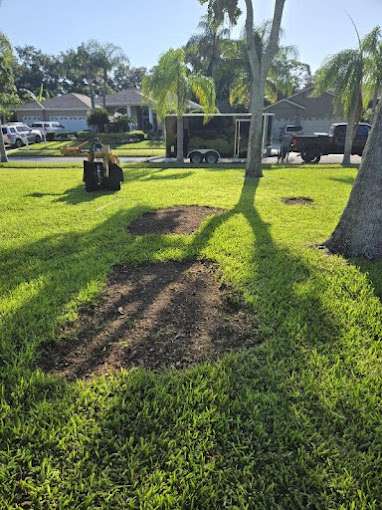
Trees in Spring Hill face challenges with the changing seasons. Extreme weather, pests, and soil conditions can affect their health. Without proper care, your trees can weaken, which eventually leads to damage or even loss, impacting your property.
Follow these tree care tips for strong, healthy trees. Regular trimming removes weak branches. Watering deeply during dry spells prevents stress, while mulching helps retain moisture. Also, fertilization in spring promotes growth. This simple tree upkeep guide keeps your trees looking great year-round.
Understanding seasonal care ensures your trees stay healthy. Proper upkeep protects your home and adds beauty to your yard.
6 Seasonal Tree Care Tips
You need to adjust your tree care activities based on the weather. Since different weather brings different challenges, it’s important to understand them. Follow these expert tips to have healthy trees year-round.
Trim Dead Branches Regularly
Seasonal tree care starts with removing dead branches. Proper trimming prevents storm damage during the hurricane season. Routine checks in spring and fall keep trees structurally sound. Timely removal stops disease spread. Tree health improves with consistent maintenance before summer storms arrive.
Inspect Trees After Storms
Regular inspections are your proactive measure to catch issues early and prevent accidents. Check trees immediately following hurricanes and thunderstorms. Look for hanging branches, split trunks, and exposed roots.
Healthy trees recover quickly from minor damage. Well-maintained trees withstand high winds better than neglected ones. Post-storm inspections are essential for preventing secondary failures. Prompt removal of damaged limbs is beneficial for long-term tree survival in Spring Hill’s storm-prone climate.
Mulch Around Tree Bases
You can apply 2-3 inches of mulch around trees in spring and fall. Keep mulch 3 inches from trunks to prevent rot. Mulch provides optimal growth by regulating soil temperature during hot summers. It’s particularly helpful for newly planted trees and effective at reducing weed competition.
During winter, mulch insulates roots from temperature fluctuations. Create mulch rings throughout your yard to unify the landscape while adapting to the climate of the CDP.
Water Deeply During Droughts
When rainfall drops below one inch weekly, water trees slowly for 1-2 hours at the drip line. Preventive watering before visible wilting supports tree species native to Florida. Morning watering is best for yearly drought periods. Fertilization should pause during water restrictions.
You should adjust watering based on seasonal changes – more in summer, less in winter. Incorporate drought-resistant landscaping around trees to reduce competition for moisture.
Remove Weak, Damaged Limbs
Prune vulnerable branches before hurricane season starts. Pests target weakened limbs, creating entry points for diseases. Schedule major pruning in late fall after leaf drop. Cutting at the branch collar promotes faster healing. Pests & disease control becomes simpler with regular pruning. This practice reduces storm damage risks for homes during severe weather events.
Fertilize Trees In Spring
Fertilizing means providing nutrients directly to the soil around trees. Apply slow-release fertilizer in early March before summer growth begins. Spread the fertilizer evenly from the trunk to the drip line. Storm preparation starts with proper root care and strengthening.
Tree watering after fertilizing helps nutrient absorption. Trees with ignored tree maintenance show poor growth and increased vulnerability to the hurricane season. Sandy Spring Hill soils often need additional nutrients for optimal tree health.
Barto Stumps and Tree Service: Expert Seasonal Tree Service Contractor
DIY attempts often end in accidents and failure for seasonal care. Our licensed arborist follow a professional tree pruning schedule based on a unique local climate. We prevent improper tree care that leads to weakened structures.
Our team maintains soil health through proper mulching and fertilization techniques. We monitor tree health year-round and respond quickly after storms. Our methods prevent damage to trees while keeping your Spring Hill property safe and beautiful.
Final Words
Follow this seasonal tree maintenance guide to protect your investment. Regular pruning prevents storm damage. Proper mulching conserves water. Missed seasonal care, in contrast, leads to expensive problems. Regular inspections catch issues early, and professional help saves time and prevents accidents. Healthy trees increase property value. Trees need different care throughout the year. Spring Hill’s climate requires specialized knowledge for best results.
Learn more: How to Spot Signs of Tree Stress Before It’s Too Late
FAQs
The best time to prune trees in Spring Hill is late winter to early spring before new growth starts. However, palm trees and other tropical species can be pruned year-round. Avoid heavy pruning during the summer to prevent stress and pest issues.
Young trees should be watered 2–3 times a week, while mature trees need deep watering every 7–10 days, especially during dry periods. Mulching around the base of the tree helps retain moisture and regulate soil temperature.
Common pests include aphids, scale insects, and bagworms. Regular inspections, proper pruning, and applying horticultural oils or insecticidal soaps can help keep pests under control. If infestations worsen, consult a tree care professional.
To minimize hurricane damage, schedule regular pruning to remove weak branches, ensure trees have a strong structure, and avoid over-thinning. Secure young trees with stakes and avoid planting new trees too close to structures.
Mulch helps retain moisture, regulate soil temperature, and prevent weed growth. Apply a 2–4 inch layer of mulch around the base of the tree, keeping it 2–3 inches away from the trunk to prevent rot and pest issues.