The Best Time Of Year For Tree Service In Spring Hill, FL
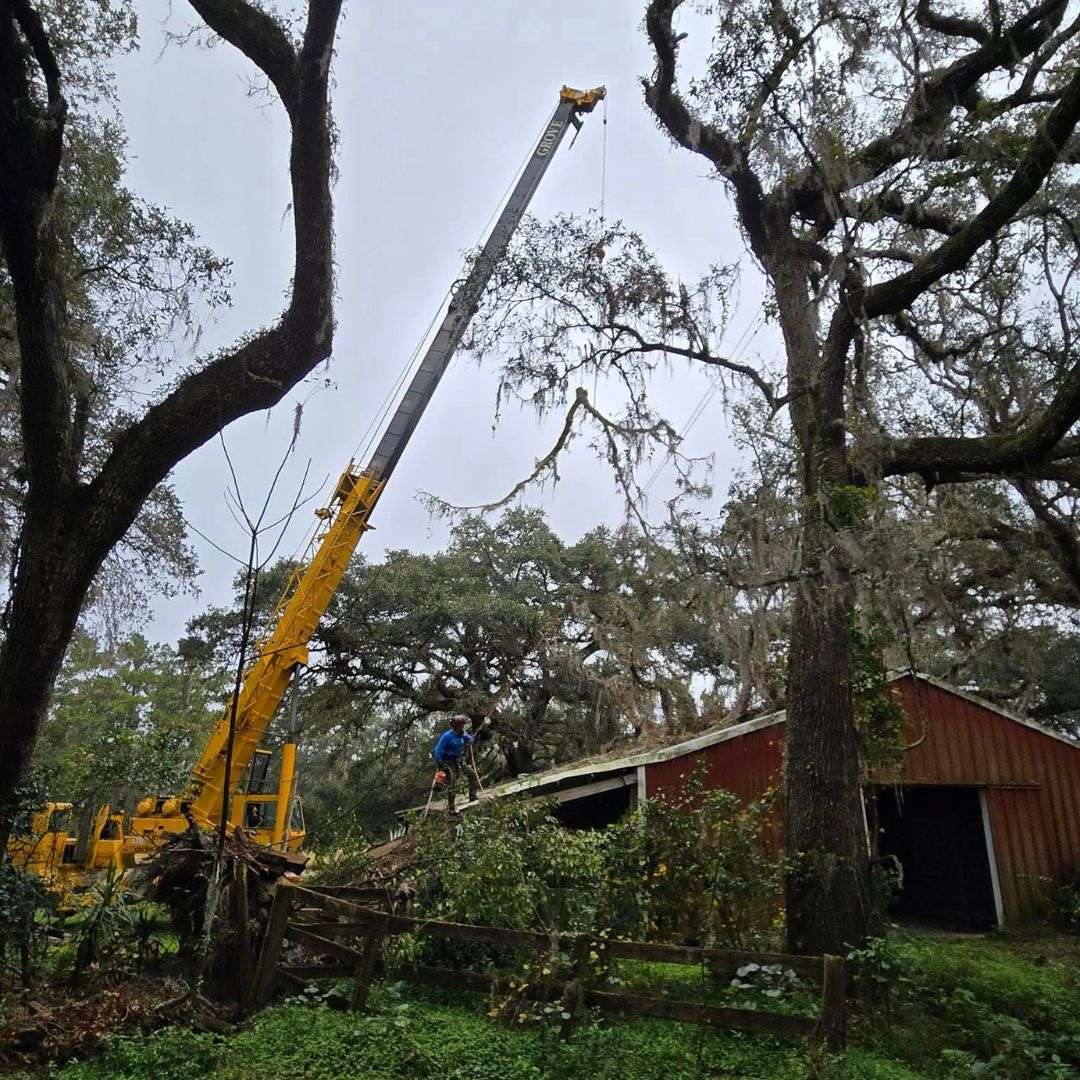
You may have heard that timing matters for tree trimming and tree pruning. It really does!
The area sits in Hernando County along Florida’s Gulf Coast with a subtropical climate, bringing hot, humid summers and mild winters. With an average annual rainfall of about 52 inches, most storms hit between June and September.
Based on all that, the best time of year for tree removal and professional tree service in Spring Hill FL, is during the dormant season (late fall through early spring). This timing avoids hurricane season and gives trees the best chance to heal.
Also, arborists recommend specific timing to cut down a tree safely. Less insect activity during cooler months helps any tree on your property recover faster, making it easier for proper healing.
Why Tree Service Matters in Spring Hill, FL
Storm Damage Prevention
Professional tree removal prevents property damage when a tree is leaning or has a weak branch structure. Homeowners face liability if poorly maintained trees cause injury during storms.
Pest and Disease Control
Regular care stops pest problems like oak wilt and ash borer infestation. Diseased or hollow trees attract insects and spread problems to healthy trees nearby.
Healthy Tree Growth
Proper timing helps trees heal more quickly and promotes strong new growth. Winter or early spring care gives the tree the best structure for long-term health.
Curb Appeal Maintenance
Well-maintained trees boost aesthetic appeal and prevent city code violations. When removal is necessary, it can happen at any time of year, regardless of season.
Best Time for Tree Care Services by Season
Spring (March–May)
Ideal timing for routine pruning, fertilizing, and planting new trees. During the growing season, trees recover faster from trimming, and it’s easier to see early signs of disease or stress. Spring work prepares trees for early summer challenges, though a professional will advise against major removals as trees enter active growth periods.
Summer (June–August)
Focus on storm preparation and pest inspections during these windy months. It’s a good time to trim limbs away from homes or structures before hurricane season peaks. Avoid major removals unless urgent due to weather unpredictability. Summer heat makes trees more stressed and less likely to heal quickly from cuts.
Fall (September–November)
Perfect for structural pruning, tree assessments, and debris clean-up. Hurricane season tapers off and temperatures cool down in late fall. This becomes the best time to remove trees that are risky or dying before winter arrives. Diseased trees should be addressed now.
Winter (December–February)
Many consider winter the best season for major tree removals and heavy winter pruning. Trees enter dormancy, creating less stress during cuts. Colder months mean a lower risk of pests spreading through fresh wounds. Cooler weather also means less insect activity, making late winter a smart time for removing diseased branches.
Cheapest Time of Year for Tree Maintenance
Looking to reduce your tree care costs? Keep these timing tips in mind.
- Late Fall and Winter Savings: These dormant months tend to be the most budget-friendly for tree maintenance. Lower demand means more availability and potential discounts from local companies.
- Off-Season Deals: Tree companies often offer special pricing during slower months. This makes winter ideal for large removals or non-urgent trimming projects.
- Strategic Timing: Companies have more flexibility with scheduling and pricing during quieter periods. But make sure to book early for spring or hurricane season.
- Pro Tip: Ask for quotes in late November or early December. Many companies start planning their winter schedules and may offer better rates to fill their calendars.
Pro Tips for Timing Tree Care
Proper timing can save you money and keep your trees healthier. Here are key strategies to get the best results:
- Prune flowering trees after they bloom to avoid cutting off next year’s flowers. This timing keeps trees less susceptible to stress and disease.
- Monitor soil moisture and avoid work during soggy conditions. Wet ground damages roots and makes the removal process more difficult for crews.
- Apply mulch in late spring to help trees retain moisture during the summer heat. This helps trees stay healthy between service visits.
- Schedule routine checkups once or twice a year so trees can be evaluated to determine if work is needed before problems become an emergency tree situation.
- Keep limbs at least 10 feet from roofs and utility lines year-round.
Trust Barto Stumps and Tree Service to Take Care of Your Tree Problems!
Not sure when to schedule tree service near you? Barto Stumps and Tree Service is your local Spring Hill expert for tree removal, trimming, stump grinding, and emergency care. We offer free consultation and fast response.
Call us today!