8 Warning Signs Your Tree in Spring Hill Property Needs Removal NOW
In our beautiful Spring Hill landscapes, trees are true blessings, offering shade, beauty, and a touch of wilderness paradise. But through time these trees can become potential hazards due to harsh weather, pest attack ,or fungal infection.
Leaning precariously, showing deep cracks, or losing major limbs are urgent warnings. Also, roots heaving driveways or branches tangling with power lines assert immediate attention.
If you ignore these warning signs, it can lead to devastating consequences during our frequent Florida storms or even on a calm day. So, let’s find out what are the possible signs that demand prompt tree removal. Also, here’s a helpful breakdown of the factors that affect tree removal cost in Spring Hill so you can budget wisely.
What Are the Common Signs to Remove A Tree?
Knowing when a tree has crossed the line from asset to danger is crucial for protecting your family, home, and property. Here are the 8 common warning signs demanding expert attention:
1. The Obvious: Significant Deadwood or Dying Branches
A few dead twigs are normal. But it becomes a problem when large sections of branches, especially in the canopy’s upper third, are dead.
Look for branches devoid of leaves during the growing season. Also, brittle bark that flakes off easily, or a complete absence of buds is not a good sign.
A tree that’s more than 50% dead is often beyond saving. This deadwood becomes incredibly brittle and prone to snapping.
If you’re constantly cleaning up large fallen branches, the tree itself might be the next to go. Not sure how to tell the difference? Here’s how to spot early signs of tree stress before it becomes a serious problem.
2. Sudden or Severe Tilting
Trees often grow with a slight natural lean. However, a sudden shift in angle or a severe lean greater than 15 degrees from vertical is a major red flag.
This often indicates your tree has compromised root integrity, soil instability, or significant trunk damage. If the soil around the base appears cracked or mounded, it suggests the roots are losing their grip. This tree is essentially a giant, unbalanced weight waiting for the right trigger. And what could be a better trigger than Florida’s saturated ground?
Bottom line is if your tree leans significantly, it’s time for Spring Hill’s trusted experts at to step in.
3. Extensive Trunk Cavities or Cracks
Deep cavities, large cracks running vertically through the trunk, or significant sections of missing bark expose the tree’s vulnerable inner wood.
While small cavities are not an immediate death sentence, large ones drastically weaken the trunk’s structural integrity. Think of it like a supporting beam in your home riddled with holes – it simply can’t bear the same load.
If more than 25-30% of the trunk circumference is compromised, removal is usually the safest option. Professionals like evaluate the extent of trunk damage. They advise on the best course of action to keep your Spring Hill home safe.
4. The Silent Killer: Fungus at the Base (Root Rot)
Mushrooms or conks (shelf-like fungi) sprouting at the base of your tree or on the lower trunk are rarely a good sign.
They are often the visible fruiting bodies of decay fungi feasting on the tree’s internal structure. Root rot is especially insidious. It undermines your tree’s entire foundation and anchorage, often with little visible warning above ground until it’s too late.
If you see persistent fungal growth near the trunk, it’s a strong indicator of severe internal decay and instability. This hidden danger requires immediate attention from a specialist.
5. The Unseen Threat: Severe Root Damage
Your tree’s roots are its lifeline and anchor. These precious roots can get crushed due to various reasons such as:
- Construction work
- Severe soil compaction from vehicles
- Trenching for utilities
- Major landscaping changes
Symptoms include sudden leaf yellowing, stunted growth, or dieback in the crown months after the damage occurred. Extensive root loss compromises stability dramatically, making the tree highly susceptible to windthrow.
If your Spring Hill tree has suffered significant root zone disturbance, get a professional evaluation from experts to assess its future safety.
Read this guide on why professional tree services are important for safety and health to better understand your tree’s long-term care.
6. Uncontrollable Disease or Pests
Despite your best efforts, diseases like lethal bronzing or pests like invasive borers can overwhelm a tree.
Whether you see signs like rapid canopy thinning, unusual sap oozing (gummosis), D-shaped exit holes in the bark, sawdust-like frass, or entire sections dying rapidly, you better call the professionals.
Because sometimes treatment becomes nonviable and removal becomes necessary to prevent the problem from spreading to healthy trees nearby. Learn the seasonal tree maintenance tips for Spring Hill homeowners to keep future issues at bay.
7. Trees Threatening Power Lines or Foundations
At times, a perfectly healthy tree still needs to go because of its unacceptable locations. Is your tree growing directly under power lines, its branches constantly interfering?
Are large roots relentlessly cracking your driveway, or even your home’s foundation? When a tree’s growth inevitably conflicts with critical infrastructure, removal is often the most cost-effective solution in the long run.
And for precise removals in tight spaces common around Spring Hill homes, can be your go to choice as they have years of experience in this complicated field.
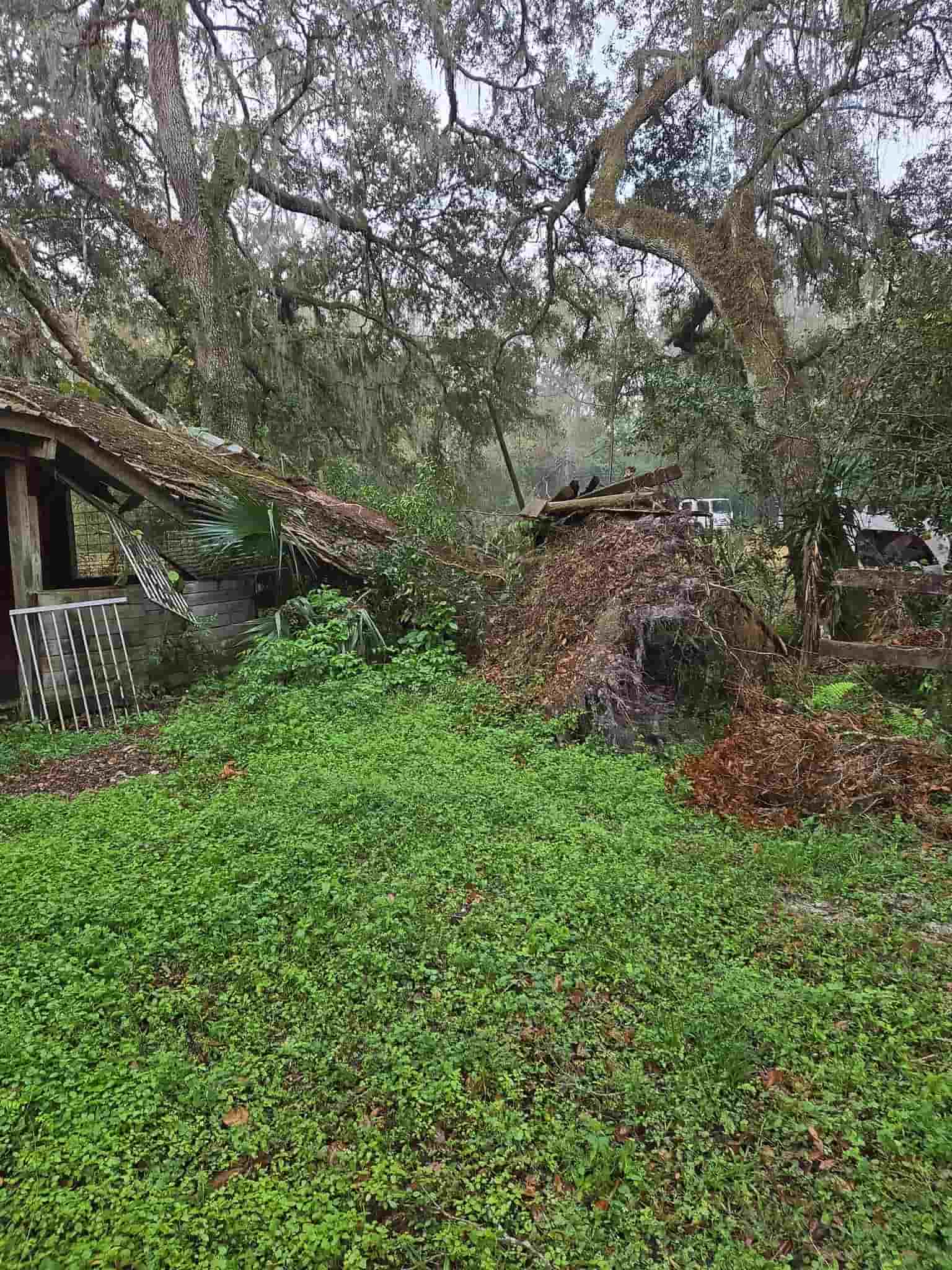
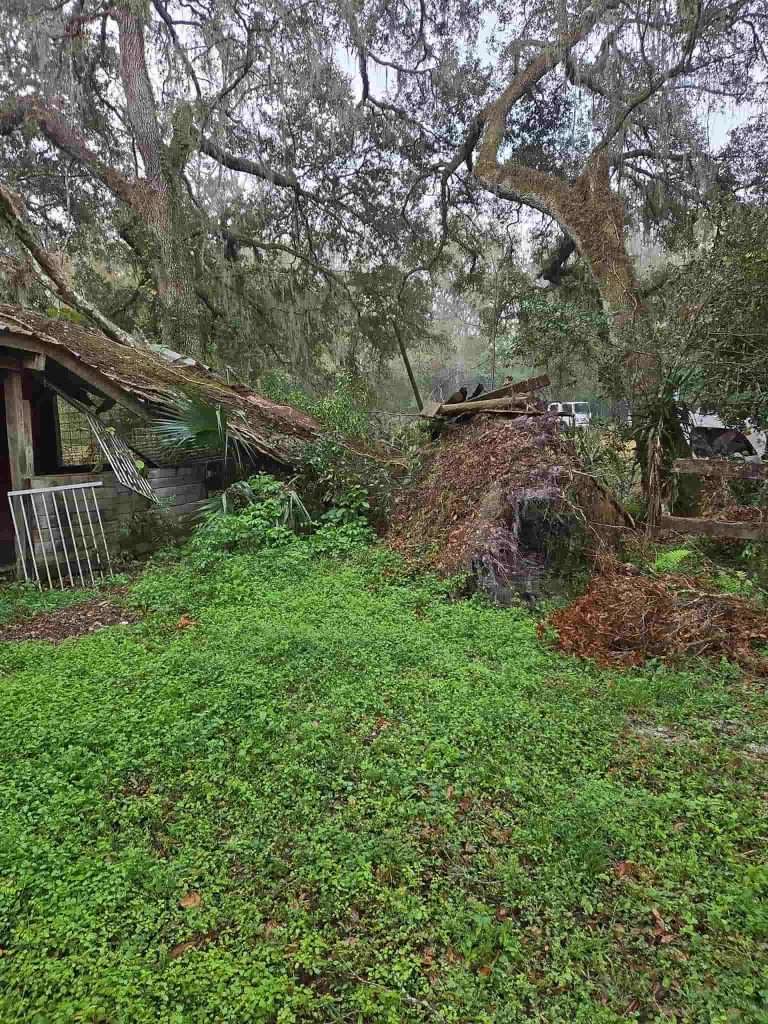
8. The Storm’s Aftermath: Irreparable Damage
Florida storms are no joke. Lightning strikes can split trunks instantly. High winds tear off major limbs or crack the tree’s core.
Minor damage to your trees might be repairable with pruning. But severe structural damage like a split trunk, massive limb loss, or significant uprooting often leaves the tree irreparably weakened and dangerous.
Never assume a tree that “survived” the storm is truly safe. After any major weather event, call certified professionals to inspect damaged trees on your Spring Hill property.
Final Verdict
Recognizing warning signs is the first step of removal. The crucial next step is acting. Spotting these 8 warning signs means your Spring Hill tree needs removal NOW. Don’t gamble with DIY.
Falling limbs or trees demolish property and crush lives. Trust , your local tree experts providing necessary experience, equipment, and insurance.Get your free assessment today. Call (727) 615-2084 or visit .