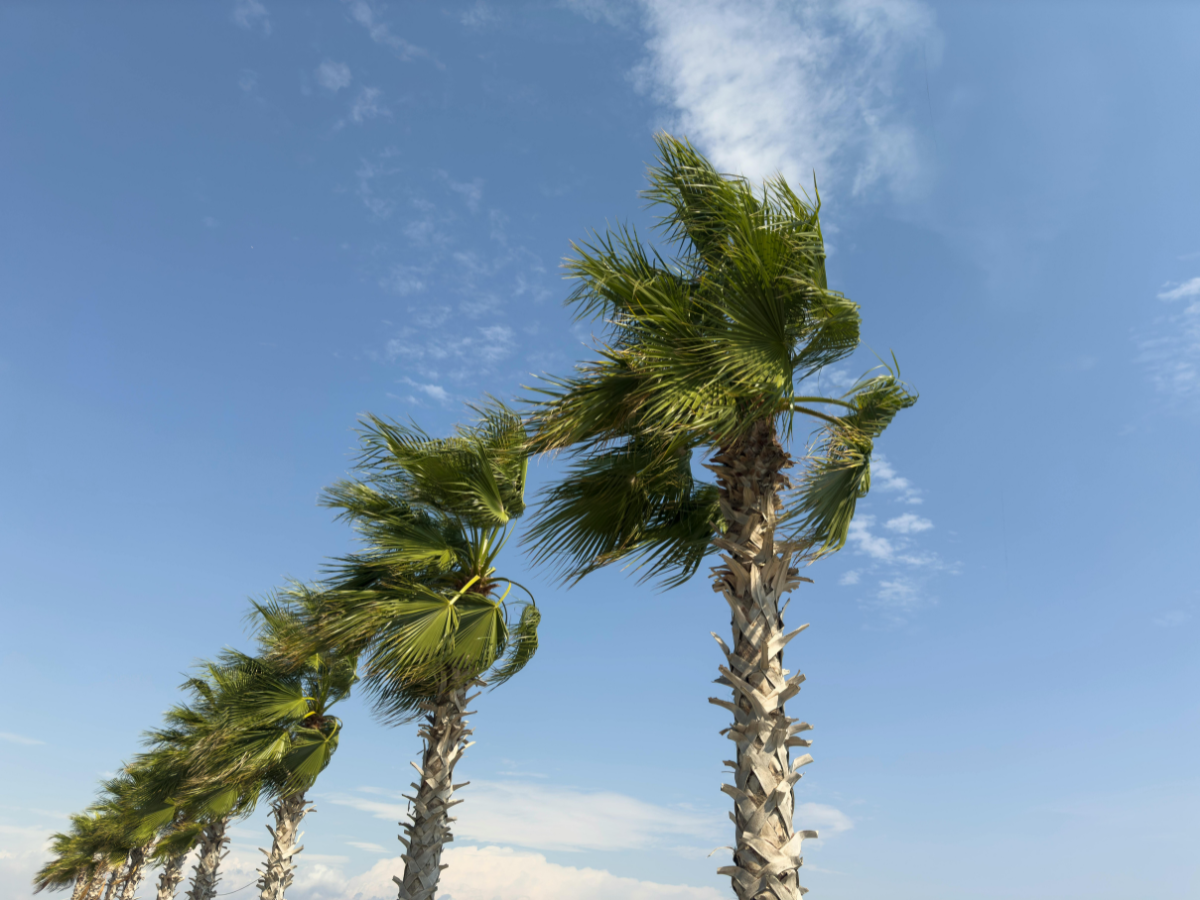
To keep your palms healthy through winter, water them early in the day, add mulch around the roots, and cover fronds with frost cloth during freezing nights. You can skip fertilizer to prevent weak new growth and trim dead fronds carefully. Protect the trunk from harsh winds with proper wrapping.
These winter palm tree protection steps keep your landscape green after cold snaps. So, keep reading to learn how cold affects local palms and which protection methods work best in Spring Hill.
How Does Winter Affect Palm Trees in Spring Hill, FL?
Spring Hill winters stay mild most of the season. But palm trees in cold weather often suffer from chilling injury that causes leaflets to discolor from sudden snaps. And here’s what happens to your trees when temperatures drop.
- Cold Stress: Freezing nights damage palm tissues and kill new fronds fast. The damaged tissues become entry points for diseases and pests.
- Frost Burn: Morning frost turns fronds brown and causes leaves to droop. These damaged fronds lose their ability to produce food for the tree.
- Soil Temperature Drop: Spring Hill’s sandy soil loses heat fast and weakens root systems. They fail to pull up water and nutrients effectively.
- Wind Chill: Coastal winds pull moisture from leaves and dry them out. The drying effect creates brown tips and permanent tissue damage.
- Waterlogged Soil: Winter rains create poor drainage and cause root rot problems. And the root rot attracts fungus and pests that spread through the tree.
- Delayed Growth: Cold nights slow down photosynthesis and weaken your palms. These trees struggle to fight off insects and storm damage.
How to Prepare Palm Trees for Cold Weather Changes?
Preparing your palm for winter is part of its seasonal tree maintenance, which requires smart planning and action. You need the right species, proper mulch, correct watering schedules, and protective covers. These steps keep your trees healthy through the coldest nights.
Take Some Early Winter Preparation
Early winter preparation protects your palm’s roots and central crown. Focus on shielding the growing point from frost and cold winds. The right measures depend on your palm’s size and cold tolerance.
- Prune damaged or weak fronds early
- Add thick mulch around tree roots
- Inspect for pests or fungal issues
- Apply slow-release fertilizer in fall
- Check irrigation system for proper drainage
Choose Cold-Hardy Palm Species
Cold-hardy species like Sabal palmetto, Windmill, and Pindo palm handle cold better than others. Climate acclimation helps these species adapt to temperature swings here.
Mulch and Soil Insulation
Adding mulch protects roots from temperature swings and prevents waterlogged soil during heavy winter rains. The locked-in moisture also keeps soil temperature stable around palm tree roots.
How Deep Should Mulch Be Around Palm Trees?
Keep mulching layers 2-4 inches deep for best results, and leave a gap of 2-3 inches between mulch and the trunk. But avoid piling mulch against the trunk or creating a mulching volcano, as it traps moisture and causes rot.
Watering Palm Trees in Winter
Water your trees in the morning before frost hits overnight because the sandy soil drains moisture faster. Palm tree winter care includes checking soil dryness before each watering session.
How Often Should I Water a Palm Plant in Winter?
Winter watering needs to change based on your tree’s location. Indoor palms need water every 2-4 weeks, while outdoor palms need watering after 2-3 weeks without rain.
What Do Overwatered Palms Look Like?
Too much water shows clear warning signs on your palms. So, watch for these symptoms:
- Leaves turn yellow or pale
- Trunk feels soft or splits
- Soil smells rotten or foul
- Mold grows on soil surface
- Brown spots with yellow rings
Trimming and Palm Frond Protection
Green fronds protect the trunk from cold air. So, skip tree trimming before winter arrives in our area. Remove only dead or damaged fronds after temperatures warm up again.
How to Trim a Palm Tree for Winter?
Wait until spring to trim your palms, as the trees grow actively during that time. And then follow these rules:
- Remove fronds below horizontal line
- Cut dead brown fronds close
- Keep all green fronds attached
- Trim dead fruit stalks off
- Clean debris from ground
Monitor Health and Post-Freeze Recovery
Watch your palms closely for cold stress symptoms after freezing nights. Drooping fronds, black tips, and mushy trunk tissue signal damage. And skip fertilizer until temperatures stay warm and stable. Knowing how to spot signs of tree stress early also helps you prevent further problems.
How to Know When a Palm Tree Is Dying?
Dying palms show specific warning signs you cannot ignore. Look for these indicators:
- No new growth emerging
- Fronds dry, brittle, or crispy
- Center stalk brown or shriveled
- Trunk soft with mushrooms growing
- Sudden lean or unstable palm tree roots
Wrapping and Covering Techniques
Using burlap or frost cloth on palms protects fronds during freeze warnings. String lights work too, but never use plastic wrapping, as it traps moisture and causes fungal growth. Make sure to secure everything with duct tape, but leave ventilation gaps open.
Pay Special Attention to Indoor Palms
Indoor palms need bright indirect light and higher humidity during winter. Use a humidifier or group plants together to maintain moisture levels. Keep them away from cold drafts and dry heat sources. You should water less frequently, but keep the soil moist enough throughout the season.
Get Professional Palm Tree Help in Spring Hill, FL
knows all about palm tree care in winter. Our skilled arborists inspect your palms for cold damage and create protection plans. We handle mulching, wrapping, trimming, and post-freeze recovery as well. Working with us means you get local experience, full insurance coverage, and fair pricing.
If your palms show signs of cold stress, call us at 727-615-2084 for a winter inspection and a free estimate.